


What Is a Snagging Survey and Why Do I Need One?
Table of Contents
What Is a Snagging Survey and Why Do You Need One?
The Difference Between Snagging and an RICS Home Survey
What Does a Snagging Survey Include?
When to Get a Snagging Survey on a New-Build Property
Your Snagging Survey Checklist: What Inspectors Look For
Snagging Survey Cost UK: What Affects the Price
What Happens After a Snagging Survey Finds Defects?
Conclusion
Frequently Asked Questions
Last Updated: 12 October 2026
What Is a Snagging Survey and Why Do You Need One?
A snagging survey is a detailed inspection of a new-build property that identifies defects, unfinished work and poor workmanship before you complete your purchase. At Volarex, we carry out these inspections across Barnsley and South Yorkshire.
Here is the core problem. A house can look perfect on viewing day and still hide dozens of faults. Doors that stick. Cracked tiles. Missing sealant. Drainage that runs the wrong way. These are small issues individually. Together, they can mean thousands in repair bills and a long fight with the developer.
Most buyers only get a quick walkthrough from the site manager. That is not an inspection. It is a sales handover.
So what separates a proper snagging survey from that walkthrough? A trained eye, a written report and photographic evidence you can send straight to the developer. Below, we break down exactly what the survey covers, when to book it and what it costs.
The Difference Between Snagging and an RICS Home Survey
A snagging survey and an RICS Home Survey are not the same thing, and confusing them is a common and costly mistake.
A snagging survey focuses on finish and workmanship in a new build. It checks the things a builder should have got right: paintwork, tiling, joinery, seals, fittings and cosmetic defects.
An RICS Home Survey, by contrast, looks at the structure and condition of the building itself (House surveys: The costs, types and benefits of one). It covers the roof, walls, foundations, damp and structural movement. The RICS guidance on home surveys sets out the Level 2 and Level 3 formats and what each one covers.
For a new build, you often need both. Snagging catches the surface faults. The RICS survey catches the structural ones.
Key Takeaway A snagging survey is not a substitute for a structural survey. On a new build under warranty, we recommend a snagging inspection at handover and a full RICS Home Survey before the warranty period ends.
What Does a Snagging Survey Include?
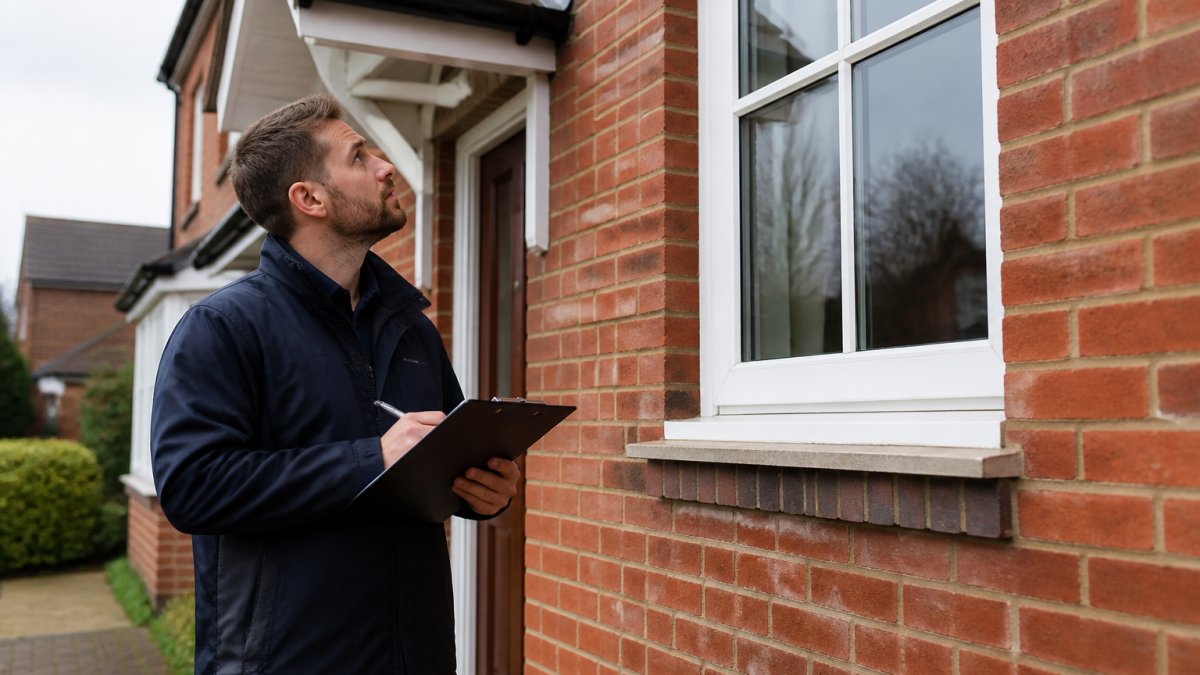
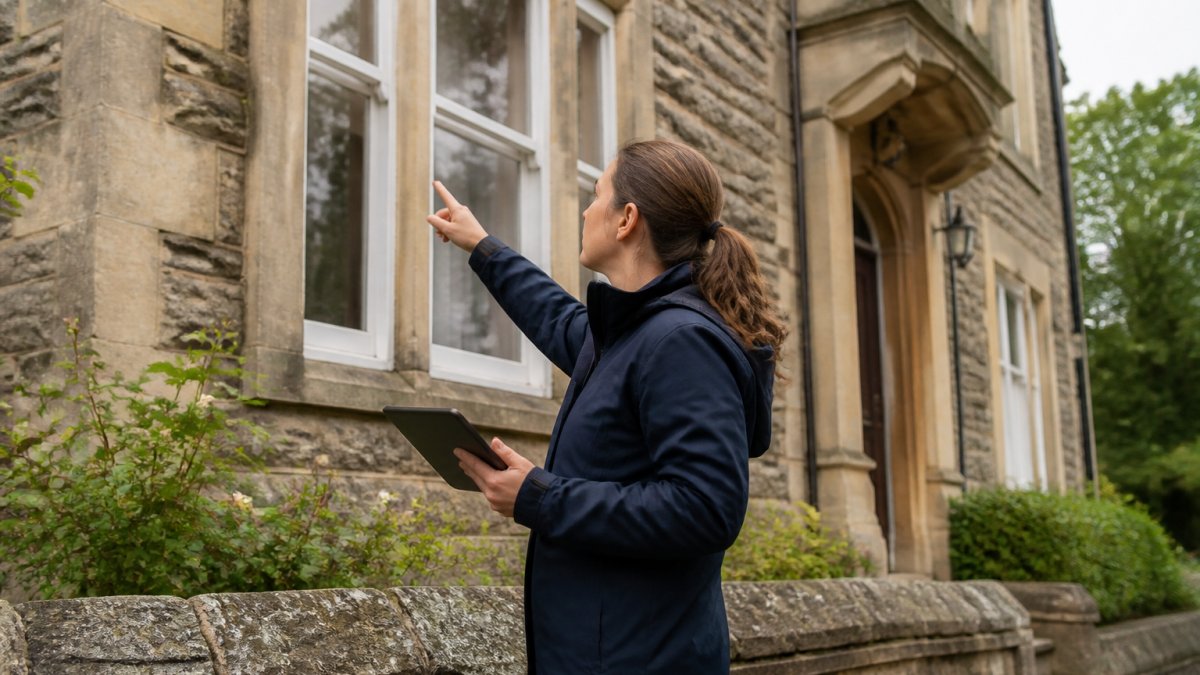
A snagging survey includes a room-by-room inspection of the property, inside and out, with every defect recorded in a written report and backed by photographs. The inspector checks finishes, fittings, fixtures, doors, windows, drainage and external works.

While these inspections focus on the precision of modern finishes, homeowners moving into older properties must also
check for asbestos
to ensure that hidden structural materials do not pose a long-term health risk.
A typical inspection covers:
Walls, ceilings and paintwork for cracks, patches and uneven finishes
Doors and windows for alignment, draughts and faulty locks
Kitchens and bathrooms for sealant, tiling, plumbing and appliance fit
Floors for squeaks, gaps and uneven boards
Electrics and heating for working sockets, radiators and controls
External brickwork, render, guttering and drainage
Gardens, paths, fencing and driveways
The report is the real value. A good one groups defects by trade and location, so the developer's team can work through it without guesswork.
When to Get a Snagging Survey on a New-Build Property
The best time to get a snagging survey is before you complete, or immediately after handover while the developer still has a duty to fix defects. Timing matters more than most buyers realise.
There are three key windows:
Before legal completion. You can still walk away or negotiate if the faults are serious.
At handover. The developer is most responsive now, and their trades are still on site.
Before your warranty ends. Latent defects that appear later can still be claimed, but only if documented.
If you are buying a new build in Barnsley or anywhere across South Yorkshire, book the survey as soon as you have a completion date. Slots fill fast, and a rushed inspection misses things.
Watch Out Do not rely on the developer's own snagging list. Their inspection protects them, not you. An independent survey from a qualified professional gives you evidence you can act on.
Your Snagging Survey Checklist: What Inspectors Look For
A snagging survey checklist helps you understand what inspectors look for, so you can spot obvious issues yourself and ask better questions. Here is the checklist we work through on every new-build inspection.
Walls and ceilings: cracks, uneven plaster, patchy paint, scuff marks
Doors: sticking, poor alignment, damaged frames, missing handles
Windows: draughts, faulty seals, scratched glass, stiff hinges
Kitchen: cabinet alignment, worktop joins, sealant, appliance function
Bathrooms: tiling, grout, silicone, drainage, water pressure
Floors: squeaks, gaps, uneven surfaces, damaged boards
Electrics: socket placement, working switches, consumer unit labelling
Heating: radiator function, boiler controls, thermostat accuracy
Exterior: brickwork, render, guttering, downpipes, drainage
External works: paths, fencing, driveway finish, garden levels
Use this as a starting point. A professional survey goes deeper and catches what a checklist cannot.
Snagging Survey Cost UK: What Affects the Price
Snagging survey cost in the UK depends on the size of the property, its location and how detailed the report needs to be. There is no single flat rate.
The main factors are:
Property size. A one-bed flat takes far less time than a five-bed detached house.
Location. Travel distance affects the price, especially for rural or remote sites.
Report detail. A basic list costs less than a full photographic report with trade breakdowns.
Timing. Urgent or out-of-hours inspections usually cost more.
Add-ons. Thermal imaging or drone roof checks add to the base fee.
We do not publish fixed prices because every property is different. Volarex provides a clear quote upfront, based on your property and what you need. For current pricing, contact our team directly.
The guidance from the Royal Institution of Chartered Surveyors is a useful starting point for understanding what a professional inspection should include, whatever you pay for it.
What Happens After a Snagging Survey Finds Defects?
Once a snagging survey finds defects, the next step is to send the report to the developer and agree a deadline for repairs. The report is your leverage.
Here is how the process usually runs:
You receive the report. Defects are listed by room, trade and severity.
You send it to the developer. Most have a formal snagging process.
The developer responds. They agree a timescale for fixes.
Repairs are carried out. You check each one is done properly.
You follow up. Anything missed goes back on the list.
Most developers fix genuine snags without argument. The report makes that easier because it is clear, documented and hard to dispute.
Pro Tip Photograph every defect yourself as well. Date-stamped photos taken on the day of handover are powerful evidence if a dispute drags on.
If the developer stalls, a chartered surveyor's report carries far more weight than a buyer's own list. That is often the difference between a quick fix and a long fight.
Conclusion
Buying a new build should be exciting, not stressful. But without an independent inspection, you can inherit a long list of defects that the developer has no incentive to fix quickly. A snagging survey gives you the evidence, the leverage and the peace of mind to get things put right.
At Volarex, our chartered surveyors provide new-build snagging inspections across Barnsley, Yorkshire and selected areas of the UK. Every report includes a detailed photographic record, a trade-by-trade breakdown and clear advice on what matters most. We are dual-qualified as Chartered Surveyors and Chartered Building Engineers.
Get started with Volarex and move into your new home knowing exactly what needs fixing, and who is responsible for fixing it.
Frequently Asked Questions
Is a snagging survey the same as an RICS Home Survey?
No. A snagging survey is designed specifically for new-build properties and focuses on defects, incomplete work and finish quality. An RICS Home Survey (Level 2 or Level 3) assesses the overall condition of an existing property, including structural issues and future maintenance needs. If you're buying a new-build, a snagging survey is the right choice. If you're buying an older home, you need an RICS Home Survey instead.
Can I arrange a snagging survey before completion?
In most cases, a snagging survey is carried out after legal completion when you have the keys and full access to the property. Some surveyors can inspect shortly before completion if the developer grants access, but this is less common. Booking your snagging survey for the first few weeks after you move in gives you the best chance of catching defects while the developer's warranty period is still active.
What happens after a snagging survey finds defects?
You receive a detailed report listing every defect, usually with photographs and descriptions. You send this to your developer, who is typically obligated to fix genuine snags under the NHBC or equivalent warranty. Most developers respond within a set timescale. If they dispute items or delay repairs, your surveyor's report gives you documented evidence to escalate the matter formally.
How much does a snagging survey cost in the UK?
Snagging survey cost UK pricing depends on the property size, location and the surveyor's level of detail. A typical three-bedroom new-build falls within a mid-range fee, while larger or more complex properties cost more. Some firms charge extra for thermal imaging or drone roof inspections. Always get a written quote that confirms exactly what is included before you book.
Contact us Today

Comments