


What Is Included in a Level 3 Home Survey 2026?
Table of Contents
What Is Included in a Level 3 Home Survey in 2026
The Building Inspection: Inside and Out
The Report: Condition Ratings and Repair Advice
The RICS Level 3 Survey Checklist, Element by Element
Level 2 vs Level 3 Survey: Which One Does Your Property Need?
How Long Does a Level 3 Survey Take, From Booking to Report?
What a Building Survey Does Not Include
Does a Level 3 Survey Include a Valuation?
When a Level 3 Survey Is Worth It for Barnsley and Yorkshire Buyers
Frequently Asked Questions
Last Updated: 18 October 2026
What Is Included in a Level 3 Home Survey in 2026
A RICS Level 3 Home Survey is the most detailed inspection a homebuyer can commission, covering the structure, condition and defects of a property along with advice on repairs (Scope of inspection: Home Survey Level Three). We carry out these surveys across Barnsley and Yorkshire, and the question we hear most is simple: what does the report actually contain?
The short answer is that a Level 3 survey goes further than any other standard home survey. It examines parts of the building you cannot easily see, explains what condition they are in, and tells you what needs fixing and roughly in what order.
Below, we break down exactly what is included, element by element, so you know what you are paying for before you book.

The Building Inspection: Inside and Out
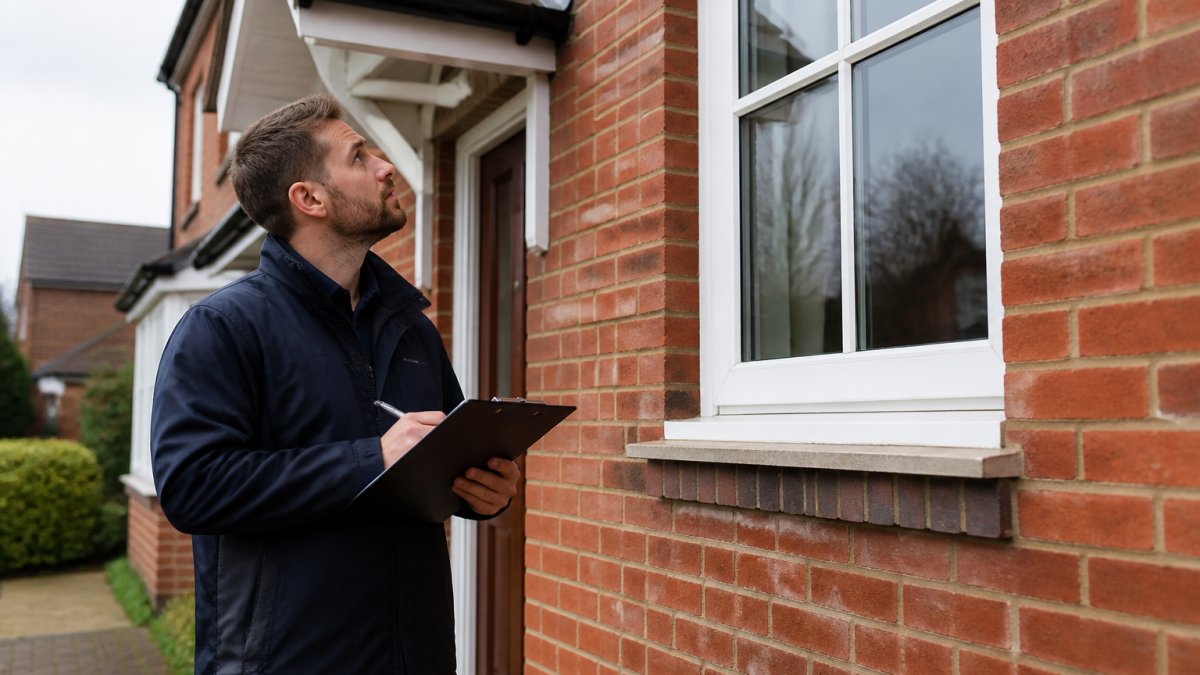
The inspection itself is the hands-on part, and it is where a Level 3 survey earns its keep. A surveyor visits the property and works methodically from the roof down to the drains.
They look at the roof structure and covering, chimneys, walls, floors, ceilings, windows and doors. They check for damp, movement, timber defects and drainage issues. Where safe access allows, they inspect roof spaces, cellars and underfloor areas. Such thorough scrutiny remains essential when assessing property defects, particularly as modern insulation methods like spray foam can obscure structural issues and influence the long-term marketability of a home.
The surveyor also uses a range of tools to support the inspection. These can include moisture meters, thermal imaging and, where conditions permit, drone roof inspections.
The Report: Condition Ratings and Repair Advice
The report is where the inspection turns into something you can act on. RICS reports use a simple condition rating system so you can see at a glance what matters.
Each element is given a rating that tells you whether it is in good order, needs attention, or requires urgent work. The report also includes advice on repairs and maintenance, plus guidance on what to do next.
This is the part most buyers value most. Rather than a vague list of concerns, you get a clear picture of what is critical and what can wait.
The RICS Level 3 Survey Checklist, Element by Element
A RICS Level 3 survey checklist covers nine core elements of the building. Each one is inspected and reported on separately, so nothing gets lost in the detail.
Here is what the checklist typically includes:
Roof: covering, structure, chimneys, flashings and rainwater goods
Exterior: walls, cladding, windows, doors and external joinery
Interior: ceilings, walls, floors, staircases and internal joinery
Woodwork and damp: timber defects, dampness and condensation
Services: drainage, heating, water and electrical supply, where visible
Grounds: boundaries, drives, paths and outbuildings
Garages: structure and condition, where present
Insulation and energy: basic observations on energy efficiency
Overall condition: summary of defects and priorities
Each item is rated and explained. Where the surveyor cannot inspect something, the report says so clearly, so you know what has been checked and what has not.
Level 2 vs Level 3 Survey: Which One Does Your Property Need?
The Level 2 vs Level 3 survey question comes down to the age and complexity of the property. A Level 2 survey suits modern homes in reasonable condition. A Level 3 survey suits older, larger or unusual buildings.
Feature | Level 2 Survey | Level 3 Survey |
Best for | Modern, conventional homes | Older, period or altered properties |
Inspection depth | Visual, accessible areas | Detailed, including hidden parts |
Condition ratings | Yes | Yes, with more detail |
Repair advice | Basic | Detailed and prioritised |
Structural assessment | Limited | In-depth |
If the property is pre-1900, has been extended heavily, or shows signs of movement or damp, a Level 3 is the safer choice. For a straightforward modern home, a Level 2 often does the job.
How Long Does a Level 3 Survey Take, From Booking to Report?
How long does a Level 3 survey take depends on the property, but most buyers can expect the full process to run from around one to two weeks. The on-site inspection itself usually takes a few hours for a typical home.
Larger or older buildings take longer. A period farmhouse with outbuildings will need more time than a modern semi.
Timelines vary with surveyor availability and access arrangements. You should ask for a clear timescale at booking so you can plan around your purchase.
Pro Tip Book your survey as soon as your offer is accepted. Good surveyors get busy, and a delay in booking can hold up your whole purchase timeline.
What a Building Survey Does Not Include
It helps to know the limits. What a building survey does not include is often as important as what it does.
A Level 3 survey is not a structural engineer's report. If the surveyor spots a serious structural concern, they may recommend a specialist structural assessment.
It does not cover services in depth. Gas, electrical and drainage systems are observed where visible, but a full test by a qualified tradesperson is separate.
Other common exclusions:
Asbestos testing and removal advice
Invasive opening up of walls or floors
Legal title and boundary checks
Environmental searches and flood risk reports
These can usually be arranged separately if needed.
Does a Level 3 Survey Include a Valuation?
A Level 3 survey does not include a market valuation as standard. Its focus is condition, not price.
Some surveyors offer a valuation as an add-on. If you need one for mortgage purposes, check with your lender, as many require their own valuation anyway.
For buyers who want a rebuild cost for insurance, a separate insurance rebuild assessment is the right product. Volarex provides insurance rebuild assessments alongside its survey work.
When a Level 3 Survey Is Worth It for Barnsley and Yorkshire Buyers
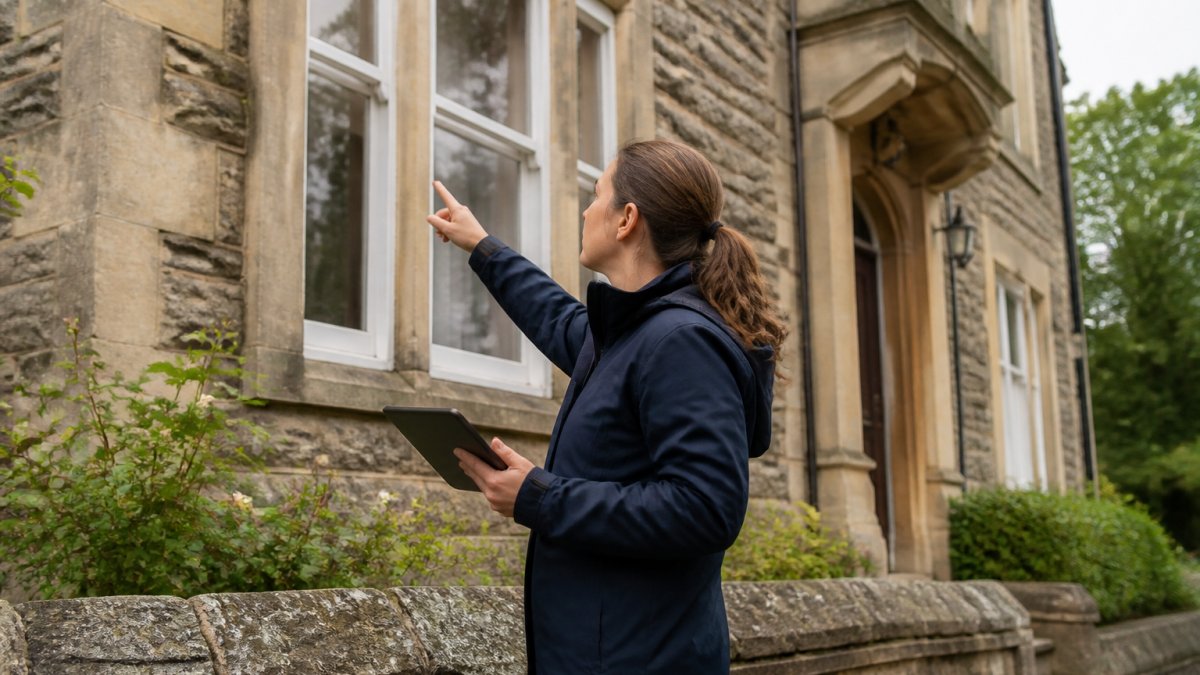
In Barnsley and across Yorkshire, the housing stock makes this an easy call. Many homes are stone-built, pre-1900, or have been extended and altered over the years.
Those are exactly the properties where a Level 3 survey pays for itself. It flags the hidden problems before they become your problems.
We also see a lot of non-traditional construction in the region, plus older terraces with damp and roof issues. A detailed survey gives you the clarity to negotiate or walk away.
If you are searching for a level 3 home survey near me in Barnsley, Volarex covers the town and the wider region. Volarex is a RICS-regulated practice, and its surveyors are Chartered Surveyors and Chartered Building Engineers.
Watch Out Skipping a Level 3 survey on an older Yorkshire property to save money is a false economy. Hidden roof, damp or structural defects can cost far more than the survey itself.
Frequently Asked Questions
What does a RICS Level 3 home survey include?
A RICS Level 3 home survey includes a detailed inspection of the structure, roof, walls, floors, chimneys, damp-proofing, drainage and services, plus a report with condition ratings for each element. You also get advice on defects, likely repair costs and maintenance priorities. It is the most thorough of the RICS home survey levels, designed for older, unusual or altered properties where hidden problems are more likely. The surveyor inspects accessible parts only and will state where access was restricted.
What is the difference between a Level 2 and Level 3 home survey?
The Level 2 survey is a mid-level inspection suited to conventional, modern properties in reasonable condition, covering the main elements in a concise report. The Level 3 goes further: it opens up more of the building fabric where safely accessible, examines individual elements in detail, and gives repair advice with cost guidance. A Level 2 vs Level 3 survey decision usually comes down to age, construction type and whether the property has been extended or altered. Period, listed and non-traditional homes generally warrant the Level 3.
How long does a Level 3 survey take to complete?
The site inspection for a Level 3 survey typically takes two to four hours depending on the size, age and complexity of the property. The written report usually follows within a few working days. Timings vary with surveyor availability and access arrangements, so you should ask for a confirmed turnaround when you book. If you are working to a mortgage or exchange deadline, book early and tell the surveyor your target date so the inspection and report can be scheduled around it.
Does a Level 3 survey check for damp, subsidence and structural problems?
Yes. A Level 3 survey examines damp-proofing, evidence of moisture, cracking and movement, roof structure, walls and foundations where visible. The surveyor records what they find and rates its severity, then advises on further investigation where needed. It is not a structural engineering report, so suspected subsidence may be referred to a specialist. If you are worried about a specific issue, raise it when booking so the surveyor can give it particular attention during the inspection.
Buying an older property in Barnsley or across Yorkshire means you need to know what you are taking on before you commit. At Volarex, our RICS Level 3 Home Surveys give you a clear, detailed picture of condition, defects and repair priorities, backed by Chartered Surveyors and Chartered Building Engineers with over two decades of experience. You get direct communication with your surveyor and plain-English advice you can act on. Contact us today to book your survey and buy with confidence.
Contact us Today

Comments